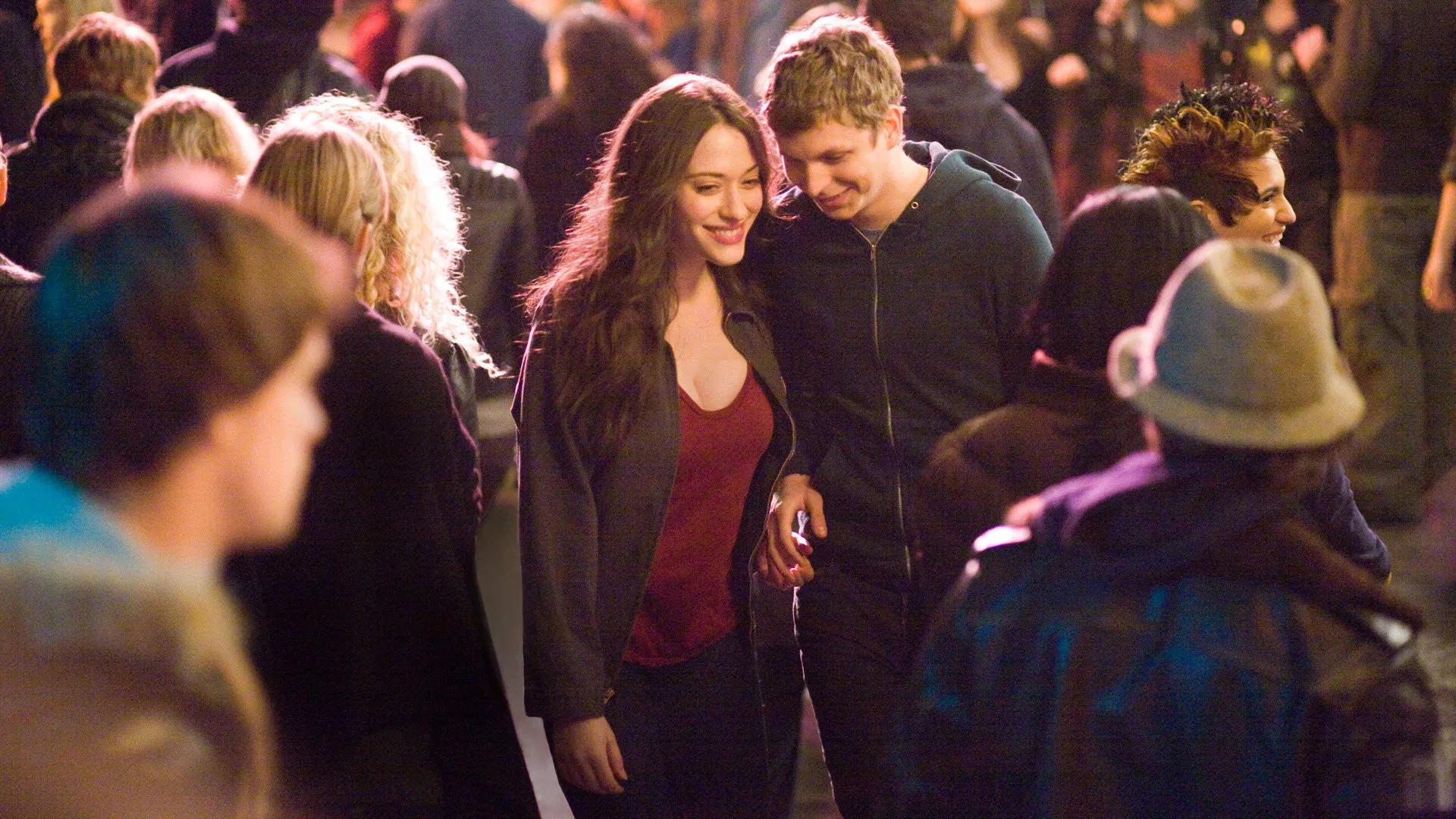
Sometimes, things fall apart. There are many more wrong choices than right ones, and many good ideas get lost somewhere along the chain. Sometimes a great story can be let down by a terrible performance, or maybe a bold idea is played a bit too safe. Even cash-grab sequels can be great if done right: no idea is destined to be mediocre.
When films take a hint from games and remake a popular story, there is always a commenter ready to ask “Why remake something good, when you could remake something bad into something good?”. There are easy answers to this, but if an executive ever wants to burn a few million finding out first-hand, these are the ten films to recommend to them.
Each has a flare of something great, while still tragically failing to be what it could have been. Each has its own form of success, and few were financial failures, but each could have been a better film. Presenting: ten films with something there, but not that.
1) Jurassic World: Fallen Kingdom (2018)
In the beginning, Steven Spielberg created the original dinosaur film, which changed how special effects and family films functioned forever. Then came the sequels, which only changed how enthusiastic people were about the franchise. Between pointless set-ups and bad pay-offs, the original sequels were best left buried.
Aeons later, and the franchise was dug up and dusted off, resurrected as Jurassic World. When that was successful, a sequel was inevitable, preferably avoiding the sins of the previous sequels. Jurassic World: Fallen Kingdom needed a fresh reason to re-enter this world, and a reason for the ex-employees of a theme park to come back to an island filled with killer lizards. The solution had been there the whole time.
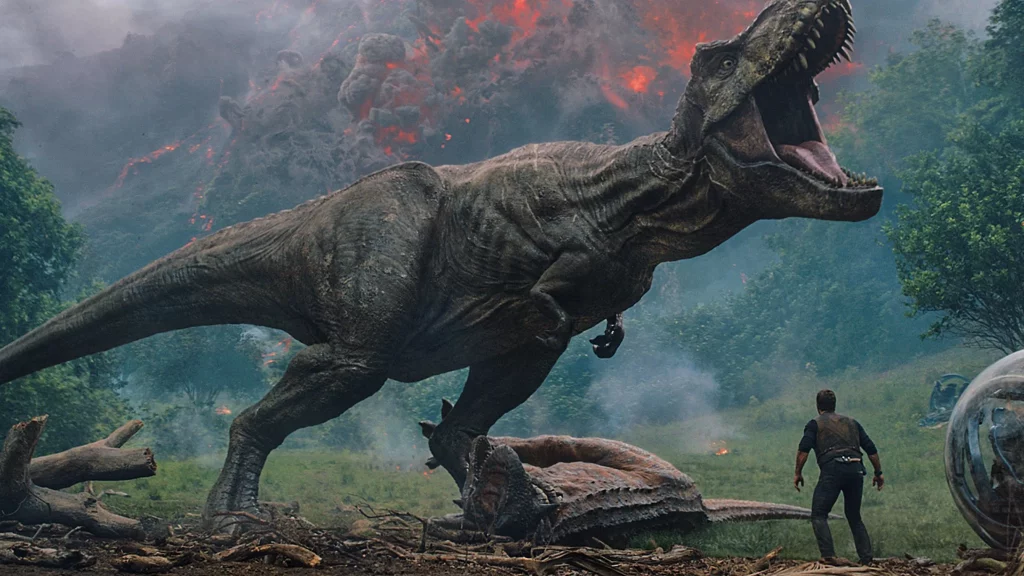
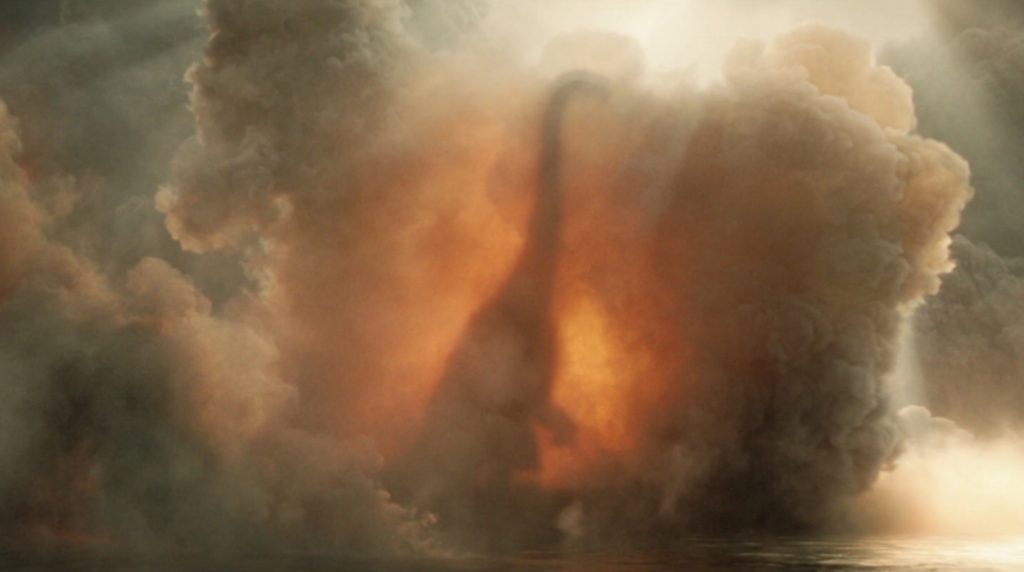
In Fallen Kingdom, the main characters return to their volcanic jungle island chain to save what they can before a predicted eruption obliterates everything. The idea is clean, simple, and so obvious that it’s amazing it took five films to get there. The eruption itself looks amazing, sets this film on a unique course, and is the first of two bold, permanent changes to how this world works.
At its heart, Fallen Kingdom asks interesting questions: How far does humanity’s responsibility to nature go? When humans create life, should they do everything to preserve it, or is the kinder thing to let it live in its own way? And what can a dino-parent do when life finds a way, and they don’t like it?
But this is a film of two halves. After the eruption, Fallen Kingdom takes its ideas off the island and into a country mansion, where new genetically-engineered dinosaurs are desperate to establish why they are a slightly scarier than the ones in the last film.
Taking a dinosaur face-off to your own turf is an interesting idea, but at this mansion things quickly become too literal, too silly, and unintentionally funny. Behind the pointless courtroom scenes and dirty obsession with making new dinosaurs, there are amazing shots and current issues, but these are buried beneath 65 million years of dirt. There is definitely something there, but it’s difficult to see behind the film that got in the way.
At least it’s better than the sequel.
2) Us (2019)
Making a new horror monster is hard, and Us gave it a go. After the success of Get Out, expectations were high for Jordan Peele’s second film, coming only two years later. An eventual gross of more than $256m is hardly a failure, but few could say that Us lived up to those expectations.
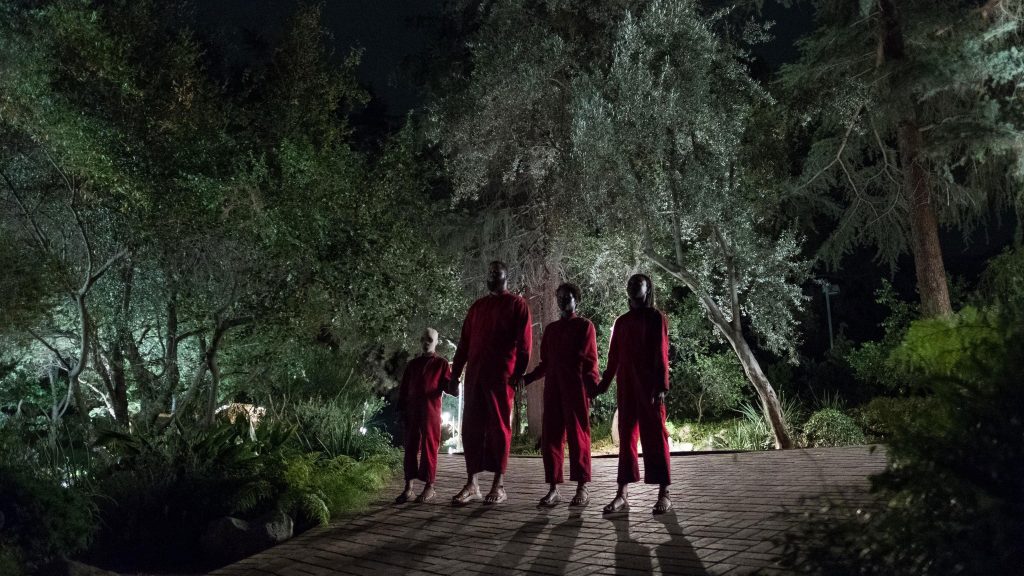
In Us, a family fights their doppelgangers, identical but mute versions of themselves living poorer imitations of their lives in an underground society. After a violent uprising that takes most of the runtime, the doppelgangers eventually act on a plan they have made over decades.
Many monster films start slowly, keeping the audience guessing what the monster is for as long as possible. Look at the 2026 smash hit Sinners as an example; the vampire film that starts out indistinguishable from a historical drama. Us does the opposite, putting the “monsters” in front of you early without explanation, leaving the audience guessing about their motive and plan.
When fighting vampires, aim for the heart, and always cut off a zombie’s head. With doppelgangers, you might imagine something mind-bending, but ultimately their plan turns out deeply underwhelming. Its reveal comes late in the film, long after the audience has stopped caring, and the more detail that comes, the less sense it makes.
Get Out, Us and Nope have still become a modern classic trilogy, with each applying racism and racial tension to horror in a way that allows for some deeper meaning. That meaning is there in Us, but the story itself is a less developed than the other films, and despite great acting and scene-setting, it feels like there is still something buried in Us that might have missed its opportunity to rise up.
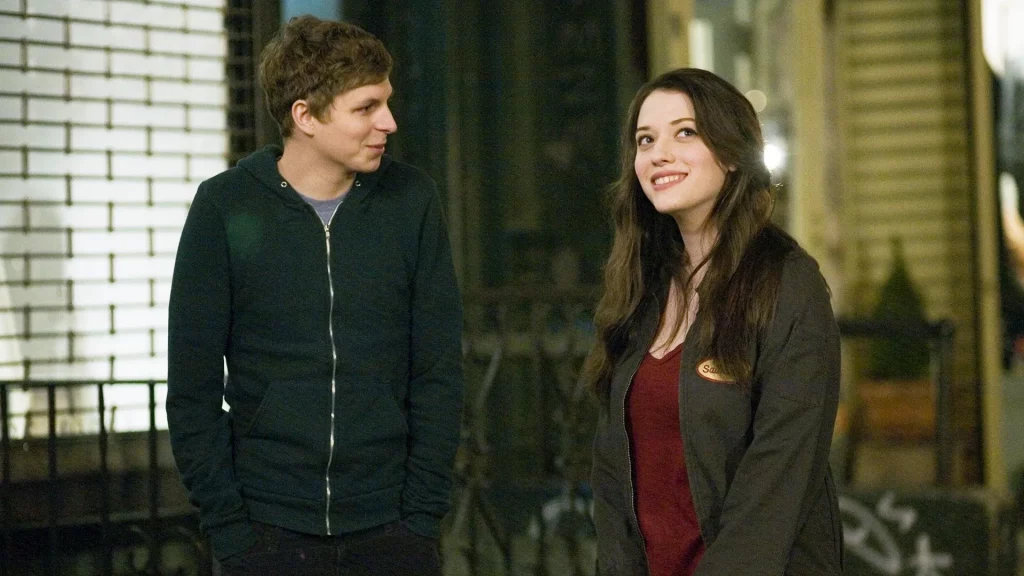
3) Nick & Norah’s Infinite Playlist (2008)
Every element of Nick & Norah’s Infinite Playlist was in the right place at the right time. Kat Dennings, Michael Cera, a teen romance, and a night driving around New York listening to indie bands. How could this possibly be a failure?
Nick & Norah released one year after Cera played a similar role in teen comedy Juno, which went on to win an Oscar and be the favourite film of every alternative guy in the late 2000s. It also came two years before Scott Pilgrim vs The World, another film-lovers’ favourite involving Michael Cera and an indie music romance.
This was the iPods and flipphones era, in the brief time when things were looking up, just before smartphones tempted people into looking down. “Mental health days” in 2008. Supportive friends. Andy Samberg. Unremarkably gay people. Obsessing over playlists. The best of New York by night.
Commercially, Nick and Norah was a great success, making $33.6 million on a $9 million budget. This is quite a haul for a film few talk about today, maybe because viewing it today is suspiciously difficult. At time of writing, the film is on no streaming service in the UK or US, and both have only one unlikely online store selling overpriced virtual copies. If you do pay the £8 to Sky, you’ll be rewarded with the sinking feeling that something went strangely wrong here.
Scott Pilgrim and Juno both have great scripts and great editing that build interesting and flawed characters, but Nick and Norah both feel simpler, with their only flaws being relationship baggage that only ever feels like melodrama. Cera and Dennings have enough chemistry that you want them to share the screen, but the plot keeps separating them before they can build the intoxicating excitement of romance. Then, suddenly, things have climaxed all too soon. After an eventful night, Nick and Norah feels a bit like things have fizzled out before sunrise.
A 6.6 rating on IMDB and 65% on Rotten Tomatoes’ popcornmeter place this right in the middle of average, despite everything working in its favour. Maybe it only exists in the memories of people who were teens at the time, but this pre-smartphone period feels like a golden age, seeming more precious in the age of Spotify and Hinge. What would be one Nick and Norah’s playlist today, and how would the couple meet at all?

4) Dumb Money (2023)
For those that missed it, Dumb Money was a short drama based on the GameStop short squeeze, where regular people squeezed millions out of the rich using the thrilling mechanism of… financial markets.
Markets are not as complicated as they are made out to be, and there are already some great films about them. The Big Short, Adam McKay’s comedy drama about the 2008 financial crisis, proves it, alongside other adequate finance films like Margin Call.
Given that this 2023 film was based on an event in 2020, it comes as close to the event it portrays as any big film could. The cast is great: Paul Dano plays an honest tech-savvy showman, and Seth Rogen steps out of his groove to play a mesmerisingly disgusting banker.
Parts of Dumb Money feel like they wanted to be The Big Short, but had only seen the idea of The Big Short written down. Dumb Money is fine, but will teach you nothing about what made this event so monumental in the places where money moves. Instead, it focusses on a smaller story, competently told in an easy-to-understand way.
Although that’s fine, it’s not what made this event film-worthy, and it’s not enough to make this film unique. The squeeze saw some of the world’s worst money men squeezed for all they’re worth, but that schadenfreude feels hollow without some emotional context.
There is nothing wrong with the film: it, like this review, is short and perfectly functional. But Dumb Money had the potential to capture how the tables turned, not long after it happened. Instead, the result feels like two-thirds of a film, and it faces the opposite problem to the next entry on this list.
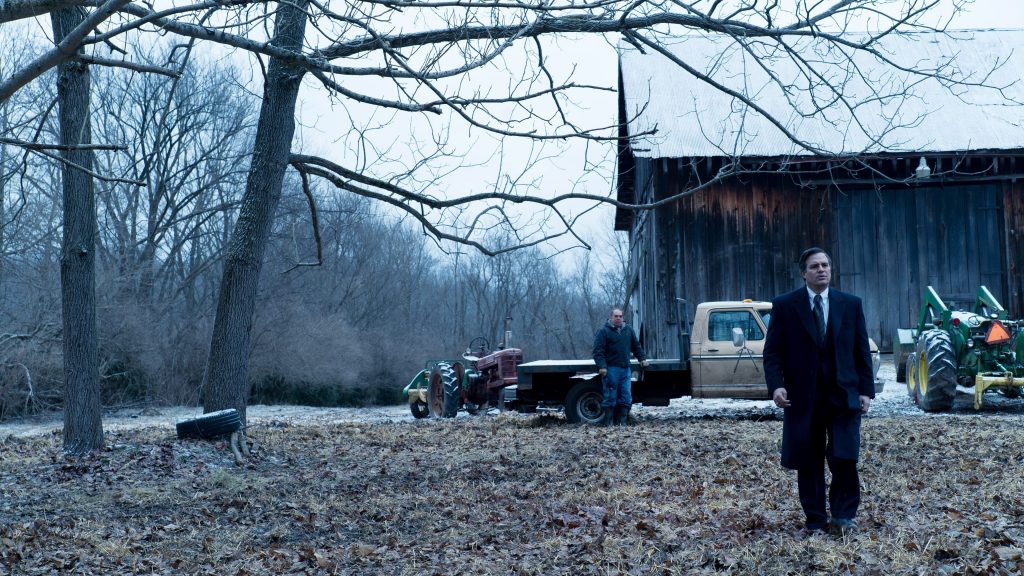
5) Dark Waters (2019)
It is a fact that there is nobody alive today who has not been affected by the DuPont chemical scandal. Dark Waters is the best attempt to explain the story behind an invisible killer, making it an easy recommendation for this reviewer. But while the story is important and barely-believeable, the film itself is mostly unremarkable.
Hollywood good guy Mark Ruffalo stars as real-life lawyer Rob Bilott, who prosecuted US chemicals company DuPont for knowingly manufacturing and dumping cancer-causing chemicals that can now be found in every human on earth. The greed and callousness on show is stunning, and Dark Waters makes these cold facts more accessible, but still feels emotionally cold as a film.
How can you lighten something so massive, and make it a more attractive film? There is no easy answer. Both Ruffalo and Anne Hathaway give great performances trying to find out, and making the film “more Hollywood” would take away from the fact that this is not a Hollywood film. Sometimes, it feels more like a documentary. That isn’t bad, but it isn’t what most people expect from a piece of “entertainment”.
On Letterboxd, user Luke reviews the film simply: “Why must a movie be “good”? Is it not enough to see Mark Ruffalo dismantling corporate greed and negligence?”. The scale of the scandal makes it a valid question, though it would be easier to point people to Dark Waters if it felt more like fruit juice than medicine.
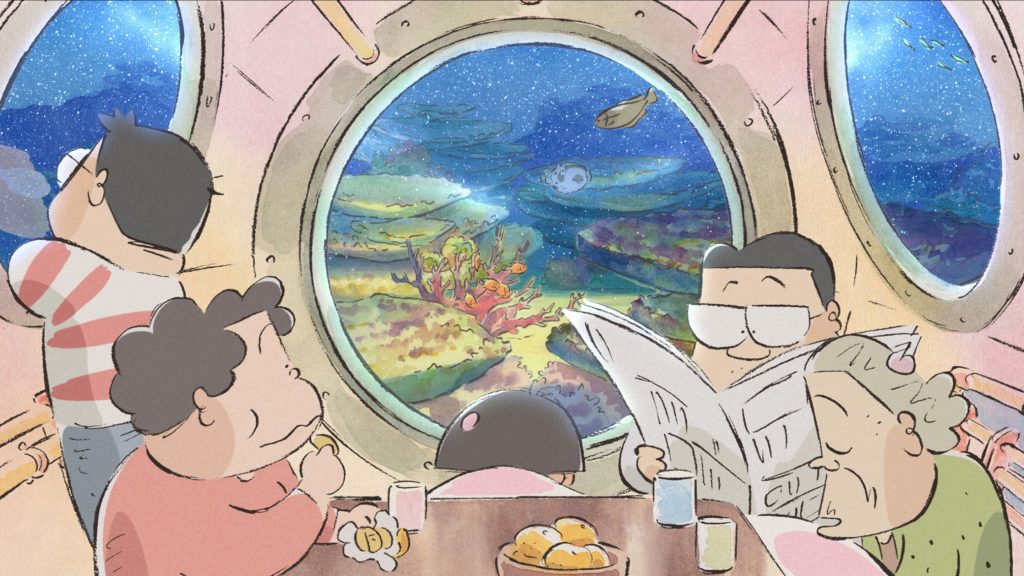
6) My Neighbours The Yamadas (1999)
My Neighbours the Yamadas might be the least well-known film here, but it is had just as much chance as the Hollywood blockbusters around it. The same can be said when comparing it to the other works of its parents at Japan’s Studio Ghibli, the unique and beloved animation house responsible for changing how Japanese animation is seen.
This is the studio behind Oscar-winner Spirited Away, the studio’s greatest commercial hit that woke the English-speaking world up to their style of storytelling. That film came from the team of director Hayao Miyazaki, who also released Princess Mononoke in 1997. In between the two came The Yamadas, so clearly this was the right time and place for a hit.
At the same time, Isao Takahata headed up the studio’s other team, working on films such as Grave of the Fireflies and Pom Poko. While Grave of the Fireflies is known for being one of the most deeply and beautifully saddening films around, Pom Poko is a much more jokey film, quietly moving towards the comedy film that The Yamadas was meant to be.
It was Ghibli’s most experimental film, made as a string of sketches rather than one story. It was the studio’s first film produced fully digitally, the first to change distributor, and the first released on DVD in Japan. These changes stuck, but the film’s other experiments weren’t a total success.
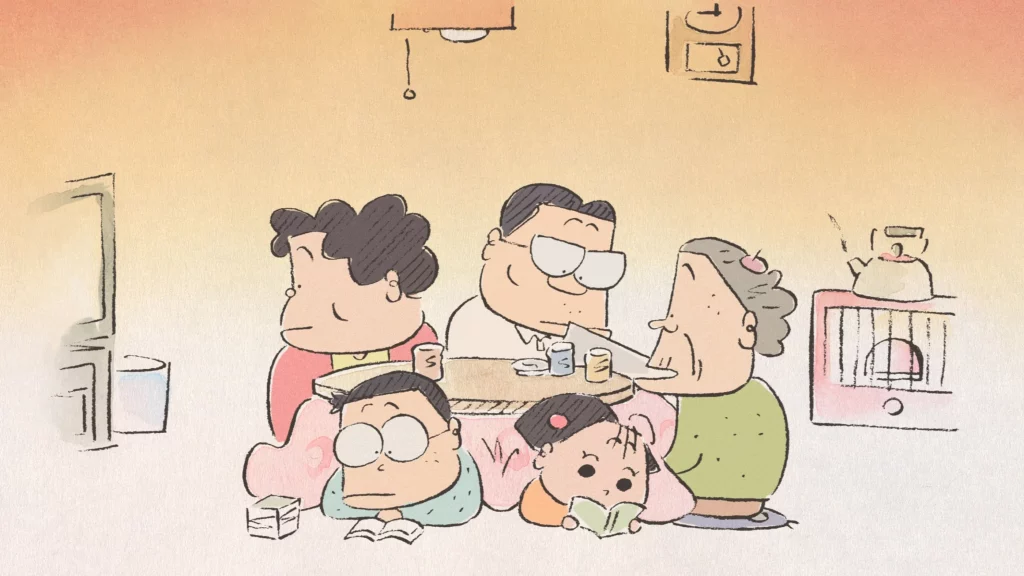
The problem, of course, is that My Neighbours the Yamadas is a comedy that isn’t funny. Other Ghibli films can distract viewers from their weaker points by with their amazing looks, but The Yamadas is the ugly duckling of the Ghibli catalogue. Ghibli films don’t need the iconic “Ghibli look”, cherished by every boring AI bro. Takahata’s next and final film, The Tale of the Princess Kaguya, used a more traditional form of animation to tell a much more earnest tale. But here, the bold animation style only emphasises the worst parts of the film.
Although this experiment didn’t succeed, it also didn’t fail, because there’s something there. The film was well received at the time, but grossed $3 million less than its budget, scaring Ghibli off from trying anything similar in the future.
In the end, this is the greatest shame of The Yamadas: Takahata did not direct another feature film for 16 years, and then never again. Ghibli has not tried a comedy since, and at at time when most animation studios are experimenting with new styles for their films, Ghibli seems reluctant to take the risks.
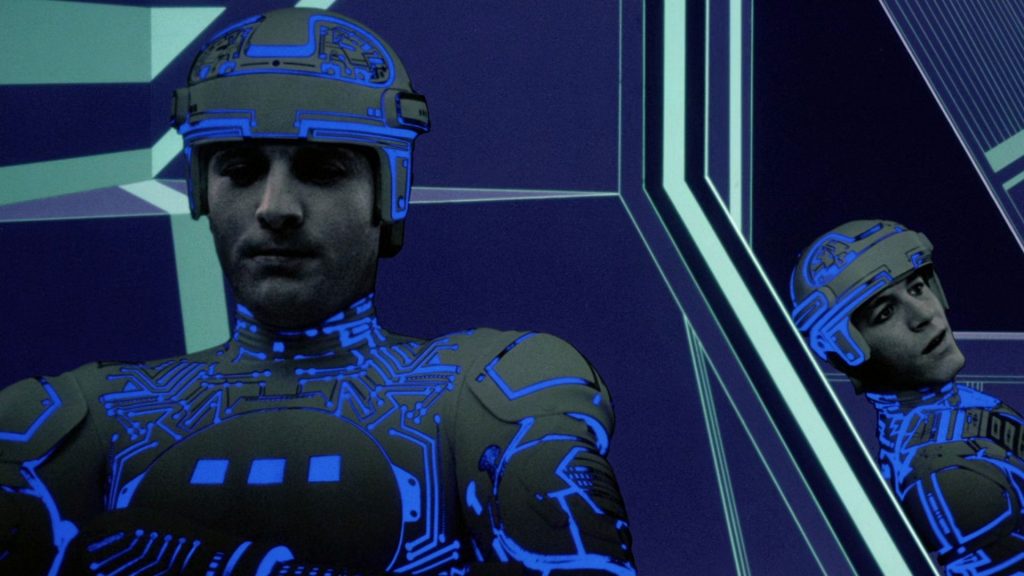
7) Tron (1982)
Tron is the film that should never have started a franchise. The premise of the first film is nothing more than “tech looks cool”. Its main draw was its visual effects, which pushed the whole industry forward and still look unique today.
Of course, they look unique because nobody else wanted their film to look so violently grey. Although most people only remember the light bikes and their colourful trails, this scene is the only hint of colour in an otherwise drab world. While later Tron films would be known for their music, the first is too often scored by steely silence. And most of all, it is so, tragically, boring.
If it had even an average story, this would become a respectable cult film or niche favourite. Tron defenders always point to the graphics first, and the insanely complicated animation process behind the film. They wouldn’t mention the scenes of characters throwing frisbees at each other, or the villain who seems to have cling film stretched across its face.
This is hardly something to show your friends. Tron’s story was bad at the time, and the visuals are now hilariously dated. This could be forgiven if they were not, often, the only thing available to viewers at many key moments. In turn, this could be mitigated with a more fleshed-out story, but when it fails at all three of these hurdles, it becomes harder to forgive the film.
Today, attempts to reinvigorate the Tron franchise have passed being desperate, into being bizarre. Despite everything, the film inspired a range of arcade games which helped it become a financial success. Tron: Legacy made more at the box office in 2010, but in 2025, Tron: Ares pulled in $142 million on a budget of $220 million. Even though Disney seems willing to take a hit on films that might gather interest on its streaming service, losing $80 million before marketing costs stings.
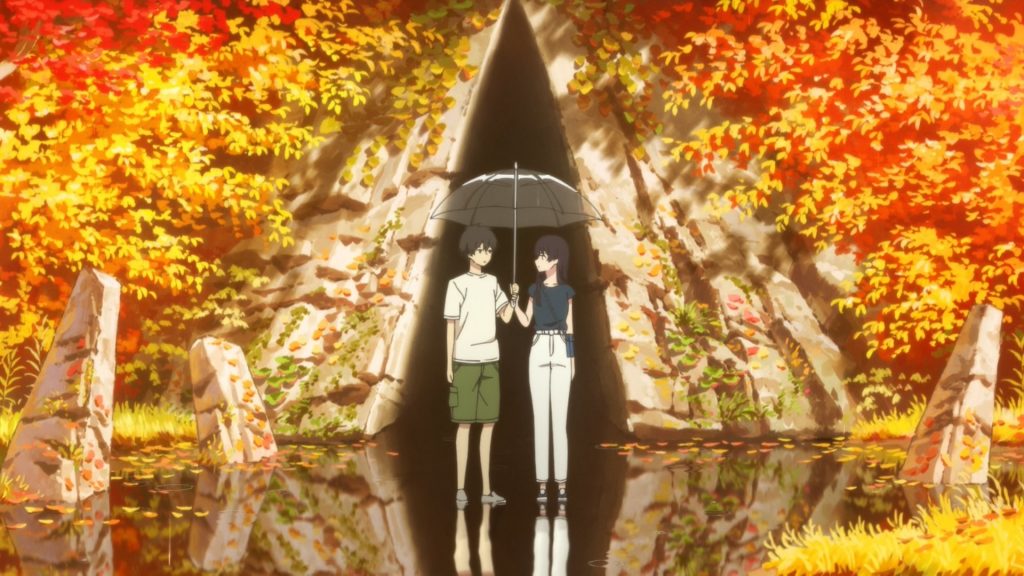
8) The Tunnel to Summer, The Exit of Goodbyes (2022)
Imagine. You find an abandoned tunnel, and decide to explore. When the entrance is becomes speck behind you, you find yourself encountering ghostly echoes of your past, becoming older as you venture further on. After a few minutes, you exit and find that a week has passed. You have found a shortcut to the future, via the past.
That might sound like enough for a film to explore, but it continues: a few years ago, you lost a loved one. If you could get far enough into the tunnel, could you get that far back? Could you pull them out? How much time would pass by the time you did, and is it worth that time to find out if it’s possible?
The Tunnel to Summer, The Exit of Goodbyes could be more than just another poorly-named romance anime. The film looks amazing, borrowing from the style of Makoto Shinkai, director of mega-hit Your Name. The premise is clever, the characters feel human, and some deeper ideas are touched on, all inside 83 minutes.
So, what’s the problem?
Imagine. You aren’t the person going into the tunnel, you’re their friend. By the time they come out, you’ve lived half a life, whereas your friend has only spent one night. How does this change your relationship? After your years on the outside, are you even still invested in the person that went into that tunnel? In a film ready to explore a lot of deeper thoughts, this is the critical one that is left unresolved, at exactly the wrong time.
Except, spoiler: you’re not their friend, you’re their teenage summer fling. After an all-too-perfect romance set-up, The Tunnel to Summer pairs its high-concept exploration of emotion with a love story pulled from a much sweeter film, and the two halves don’t fit together so well. Now consider the implications of two teen lovers being forcibly separated by several years and them deciding to ignore the change, and you see how the film’s end doesn’t stumble, it dive bombs.
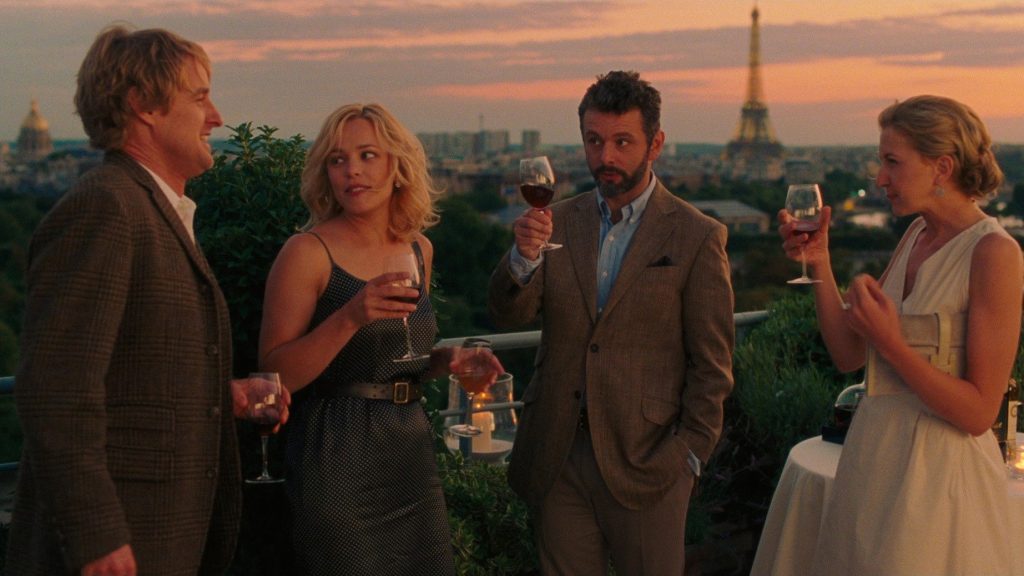
9) Midnight in Paris (2011)
There are respectable people out in the world today who think that Midnight in Paris is a great film. I am not one of them: Midnight in Paris is offensively stupid.
Owen Wilson is an American entranced by Paris, treating his partner to a shopping trip that she barely tolerates. Despite flimsy relationship difficulties, when the clock strikes twelve, Wilson finds magical transport that literally takes him to a whole new realm of pretentiousness.
This light-hearted drama was directed by Woody Allen, famous for quirky comedies and various allegations. As such, it has an in-built following who want to find a deeper meaning within. At its core, the film suggests that creatives tend to look wistfully at the past, not realising the greatness of their own times.
This is an idea that will appeal to someone who would seek out a Woody Allen film. However, that viewer would also appreciate some good storytelling, nuance and subtlety, which this film is incapable of delivering. Instead, this is an American’s dream of Paris, with all the empty beauty that suggests.
This is an uncharismatic sermon wrapped in a dominating and deeply tedious relationship drama. It’s a great cast on a pointless journey, gawking at a parade of artistic icons without looking past their surfaces. It wants to have the lyricism of Before Midnight, but ends up as Emily in Paris. It’s a film about art, but despite every effort, there is no art here.
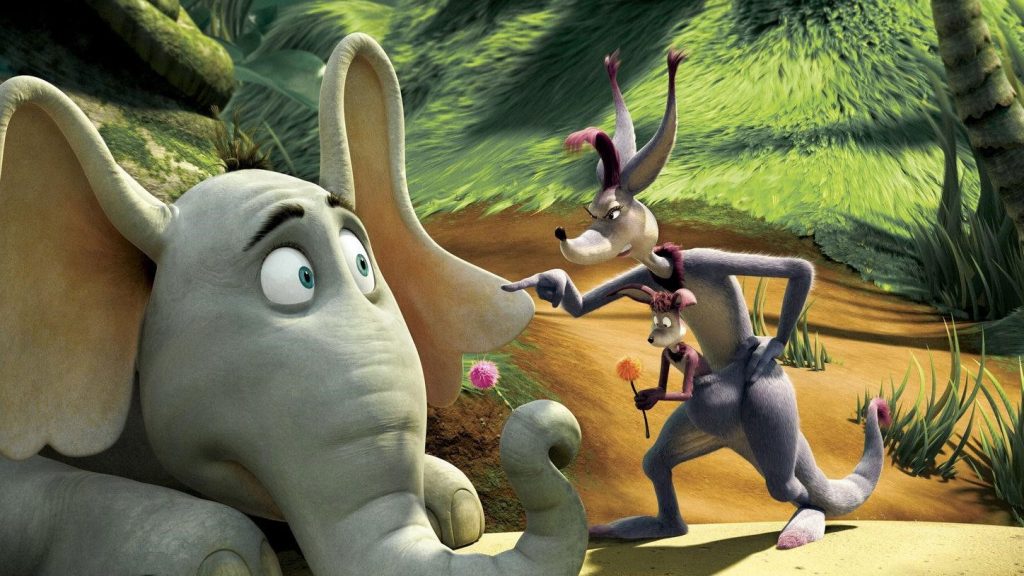
10) Horton Hears a Who! (2008)
In contrast, this is a film with flaws but a great heart. Horton Hears a Who! is a family film based on the book of the same name, written by children’s author Dr Seuss. In 86 minutes, Horton the elephant goes on a quest to preserve some new microscopic friends, while having to convince the rest of the jungle of their existence.
In a film about sound, the music of this is exceptional. Artistically, the animation is impressively detailed and carefully-made, fitting into the style of the original book. This is crucial for US viewers, where Dr Seuss holds a near-mythical status, and adapting his works can mean setting high expectations. But honouring the source material was not the first thought when it came to the cast.
For many, the deciding factor will be whether or not they like Jim Carrey. This is the most frantic, maniacal, Jim Carrey film since The Mask, and echoes of that character feel a bit more out-of-place in a family film. It’s a dominating performance, sometimes literally overtaking the story, but for viewers not seeking reverence for the books, this is just part of the fun of a colourful world.
This explosive performance is enough to crowd out the rest of the top-tier cast: Steve Carell, Seth Rogen, and US stalwart Carol Burnett, to name a few. Perhaps the film might have wider appeal with a less Carrey antics, but they add an energy and cross-generational appeal to what is otherwise a well-made family film.
Reviews were favourable and the box office was generous, but today Horton Hears a Who! has a below-average rating on IMDB and Letterboxd. As a Seuss film, Horton is often generalised with other adaptations, such as The Lorax and 2018’s The Grinch, but there is more to this adaptation than its peers.
By no means is it perfect, with a few emotional moments that fall flat, but like every other film here, there is undeniably a good idea at its heart and a skill in its production, that would have it be a bigger hit in some other world.